


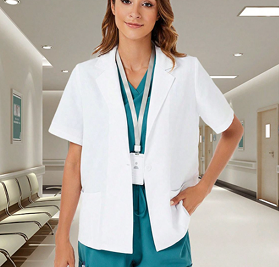
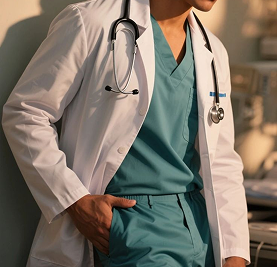
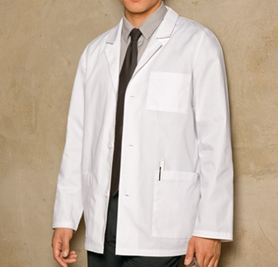


Carewear Innovation in Healthcare: Advanced Fabric Technology for Medical Professionals
Medical uniforms directly impact healthcare performance. Long shifts, high-stress procedures, and infection control requirements demand more than basic cotton scrubs.
Modern carewear integrates performance fabrics, ergonomic design, and antimicrobial treatments to support clinical excellence.
Step 1: The Evolution of Medical Uniforms
Traditional scrubs were:
● Heavy cotton
● Limited flexibility
● Slow-drying
● Prone to fading
Modern medical scrubs now feature:
● Moisture-wicking technology
● 4-way stretch
● Lightweight breathable construction
● Wrinkle resistance
Carewear has shifted from basic apparel to performance equipment.
Step 2: Fabric Technology & Performance Benefits
Advanced fabrics like FlowX and EaseX are designed to:
● Improve air circulation
● Regulate body temperature
● Reduce sweat accumulation
● Maintain shape after repeated washing
Breathable scrubs reduce fatigue during 12-hour shifts.
Step 3: Infection Control & Hygiene Standards
Healthcare uniforms must withstand:
● High-temperature washing
● Chemical disinfectants
● Frequent laundering cycles
Antimicrobial treatments reduce bacterial growth on fabric surfaces and enhance hygiene
compliance.
Step 4: Ergonomic Design & Mobility
Clinical duties require constant movement.
Features that improve mobility:
● Stretch panels
● Reinforced stitching
● Tapered yet flexible fits
● Lightweight construction
Comfort improves productivity.
Step 5: Professional Identity & Institutional Branding
Uniform consistency enhances:
● Patient trust
● Team cohesion
● Brand perception
Customization options such as embroidered logos and name tags improve professionalism.
Conclusion
Carewear innovation supports healthcare professionals physically and psychologically.
Investing in performance medical uniforms enhances comfort, safety, and institutional
credibility..